Den siste rekefiskeren
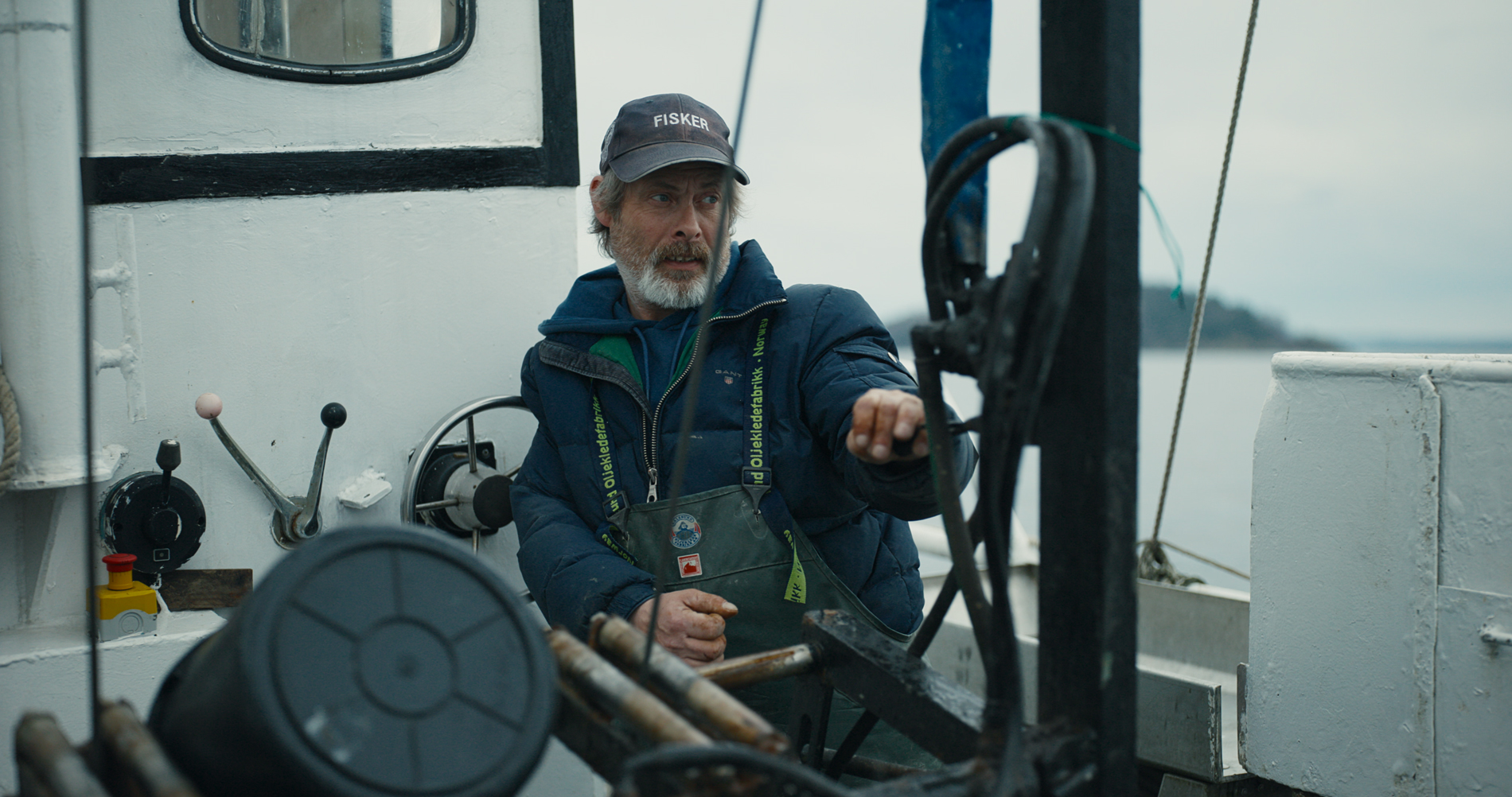
I 500 år har familien til Sigurd-Andre Kristoffersen livnært seg av Oslofjorden. I 2025 var han den siste aktive yrkesfiskeren i indre Oslofjord.
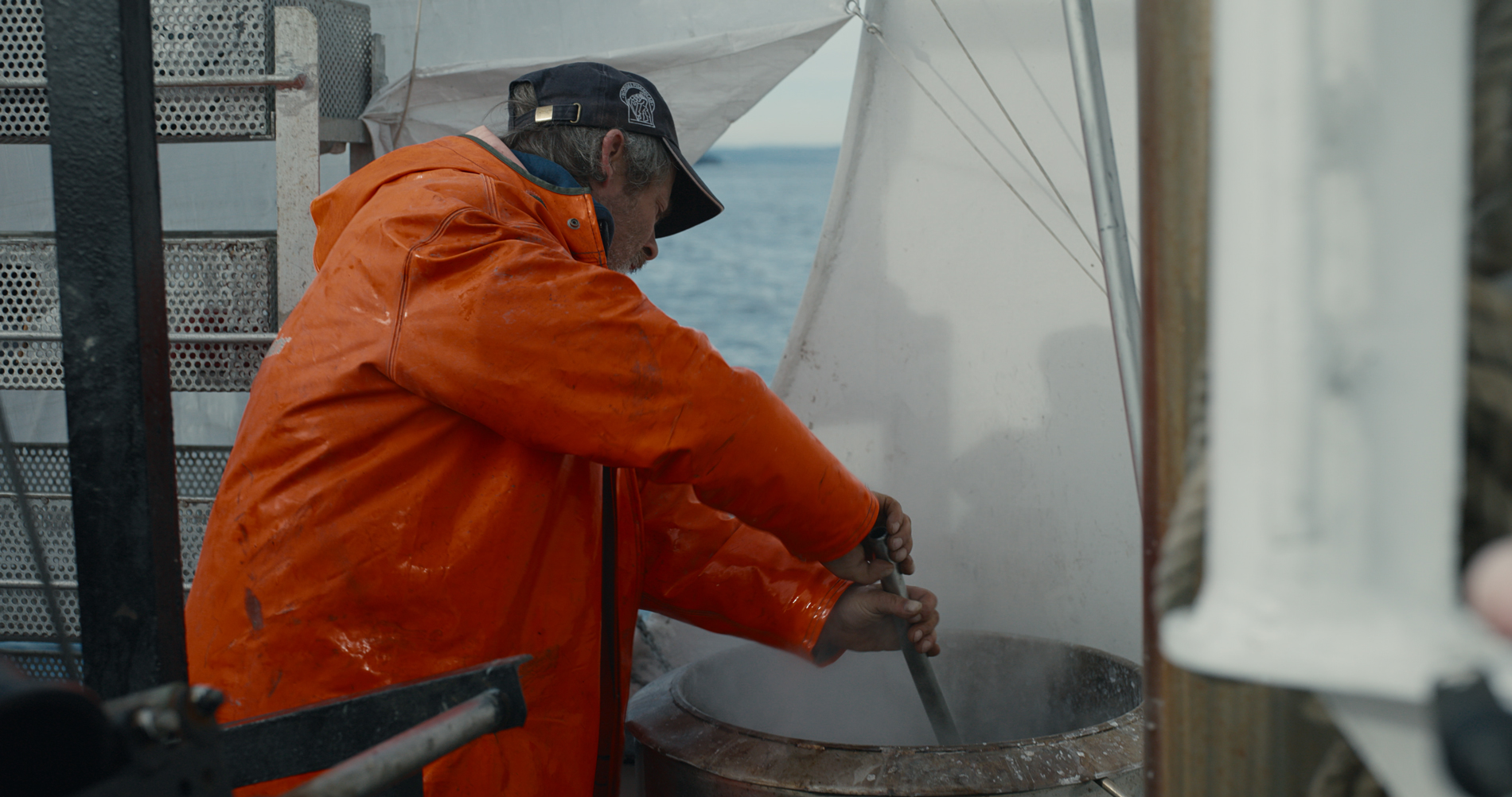
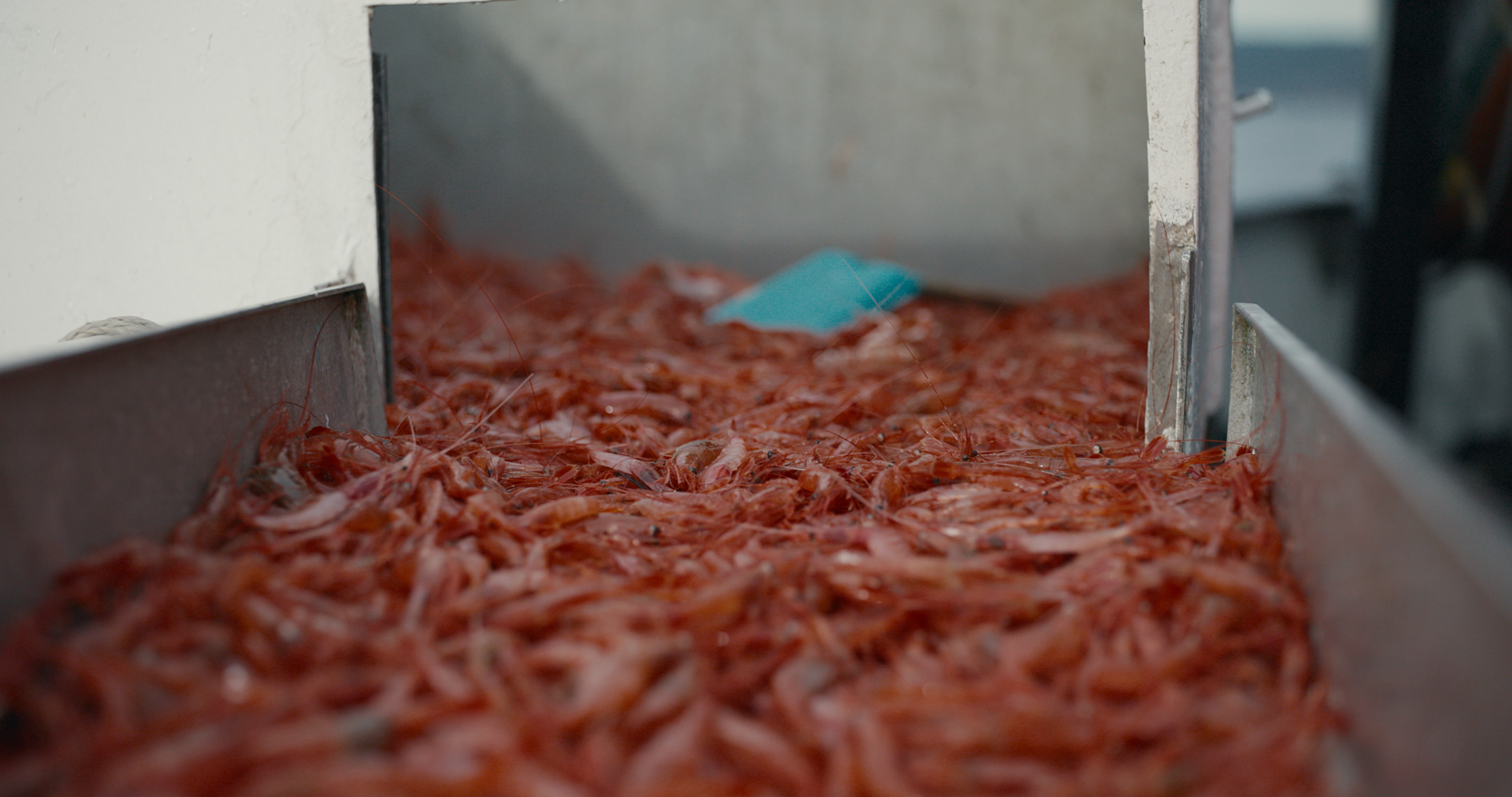
Filmen tar oss med inn i Sigurd-Andres liv som fisker, i det siste året før fiskeforbudet trer i kraft. Om bord i den lille 32 fot lange treskøyta Zacapa, bygget i 1959, fisker han etter reker slik generasjonene før ham har gjort. Fangsten er liten, men yrket rommer en historie som strekker seg et halvt årtusen tilbake.
Samtidig er fjorden i økologisk krise. Utslipp fra husholdninger, landbruk og industri, naturinngrep, overfiske og klimaendringer har satt økosystemet under sterkt press. Mer enn halvparten av Norges befolkning bor i Oslofjordens nedbørfelt, og likevel har en av landets viktigste fjorder fått utvikle seg til en av Norges store miljøutfordringer.
Fra januar 2026 ble det forbudt å fiske i indre Oslofjord, som et forsøk på å gi fjorden mulighet til å hente seg inn. For Sigurd-Andre betyr det slutten på et yrke familien har levd av i generasjoner.
Men filmen handler ikke bare om en fisker som må slutte. Den undersøker hvordan en fjord kunne havne i en slik situasjon, hvordan samfunnet har forvaltet et felles naturgode – og hvem som til slutt må betale prisen når naturen skal gjenopprettes.
Den siste rekefiskeren er en personlig film om identitet, arv og tilhørighet. Samtidig er det en film om miljøansvar, politiske valg og konflikten mellom behovet for å beskytte naturen og retten til å leve av den.
Når et økosystem er presset for langt – hvem skal betale prisen for å redde Oslofjorden?
For 500 years, Sigurd-Andre Kristoffersen’s family has made a living from the Oslo Fjord. In 2025, he was the last active commercial fisherman in the inner fjord.
The film takes us into Sigurd-Andre’s life as a fisherman, in the final year before the fishing ban comes into effect. Aboard his small 32-foot wooden boat, Zacapa, built in 1959, he fishes for shrimp as generations before him have done. The catch is modest, but the livelihood carries a history stretching back half a millennium.
At the same time, the Oslo Fjord is in ecological crisis. Discharges from households, agriculture and industry, physical interventions, overfishing and climate change have placed the ecosystem under severe pressure. More than half of Norway’s population lives within the fjord’s catchment area, yet one of the country’s most important fjords has become one of its major environmental challenges.
From January 2026, fishing was banned in the inner Oslo Fjord in an attempt to give the ecosystem a chance to recover. For Sigurd-Andre, this means the end of a livelihood his family has depended on for generations.
But the film is not only about a fisherman forced to stop. It explores how a fjord could be brought to this point, how society has managed a shared natural resource – and who ultimately pays the price when nature has to be restored.
The Last Shrimp Fisherman is a personal film about identity, inheritance and belonging. At the same time, it is a film about environmental responsibility, political choices and the conflict between protecting nature and the right to make a living from it.
When an ecosystem has been pushed beyond its limits, who should pay the price to save the Oslofjord?
Date
To be releasedRoles
Script & development, postproduction director, productionExternal collaborations
Director - Azar Ebrahimi / Photographer - Trond Høines / Editor - Svein Olav Sandem / Co-script and co-development - Jan KarlsenGenre
Short Documentary